
On December 22, 2025, the Federal Communications Commission (FCC) issued Public Notice DA 25‑1086, updating its Covered List to include all foreign-produced uncrewed aircraft systems (UAS) and critical components. This decision, based on a national security determination under Section 1709 of the FY2025 National Defense Authorization Act (NDAA), aims to reduce risks of unauthorized surveillance, data exfiltration, and other threats by ensuring future drone technology is domestically sourced.
What Does This Mean for DJI and Autel Drone Owners?
There is no immediate need to replace your DJI or Autel drones.
The FCC’s action does not retroactively ban or ground drones that were previously authorized. If you already own these aircraft, you can continue to operate, maintain, and purchase existing models while supplies last. Retailers can also continue to sell, import, or market device models approved earlier this year or previously through the FCC’s equipment authorization process.
The new rules only affect future device models and imports.
New device models—including foreign-made drones and critical components—are prohibited from receiving FCC equipment authorization. This means they cannot be imported, marketed, or sold in the U.S. going forward. Existing device models that were previously authorized are not affected.
Why the Change?
National security agencies determined that foreign-made drones pose unacceptable risks, including potential for attacks, disruptions, unauthorized surveillance, sensitive data exfiltration, and undermining the U.S. drone industrial base. The FCC’s Covered List update is part of a broader effort to restore American airspace sovereignty and support U.S. drone manufacturers, especially ahead of major events like the 2026 FIFA World Cup and the 2028 LA Olympics.
The FCC can only update the Covered List at the direction of national security authorities, ensuring that changes are based on expert determinations, not regulatory whim.
Security and Compliance Guidance
The Cybersecurity and Infrastructure Security Agency (CISA) encourages organizations to use the Covered List for risk management and regulatory compliance analysis. This may affect procurement policies for public agencies and enterprises, so it’s wise to stay informed and plan ahead.
HTS Ag’s Recommendation: A Phased Upgrade
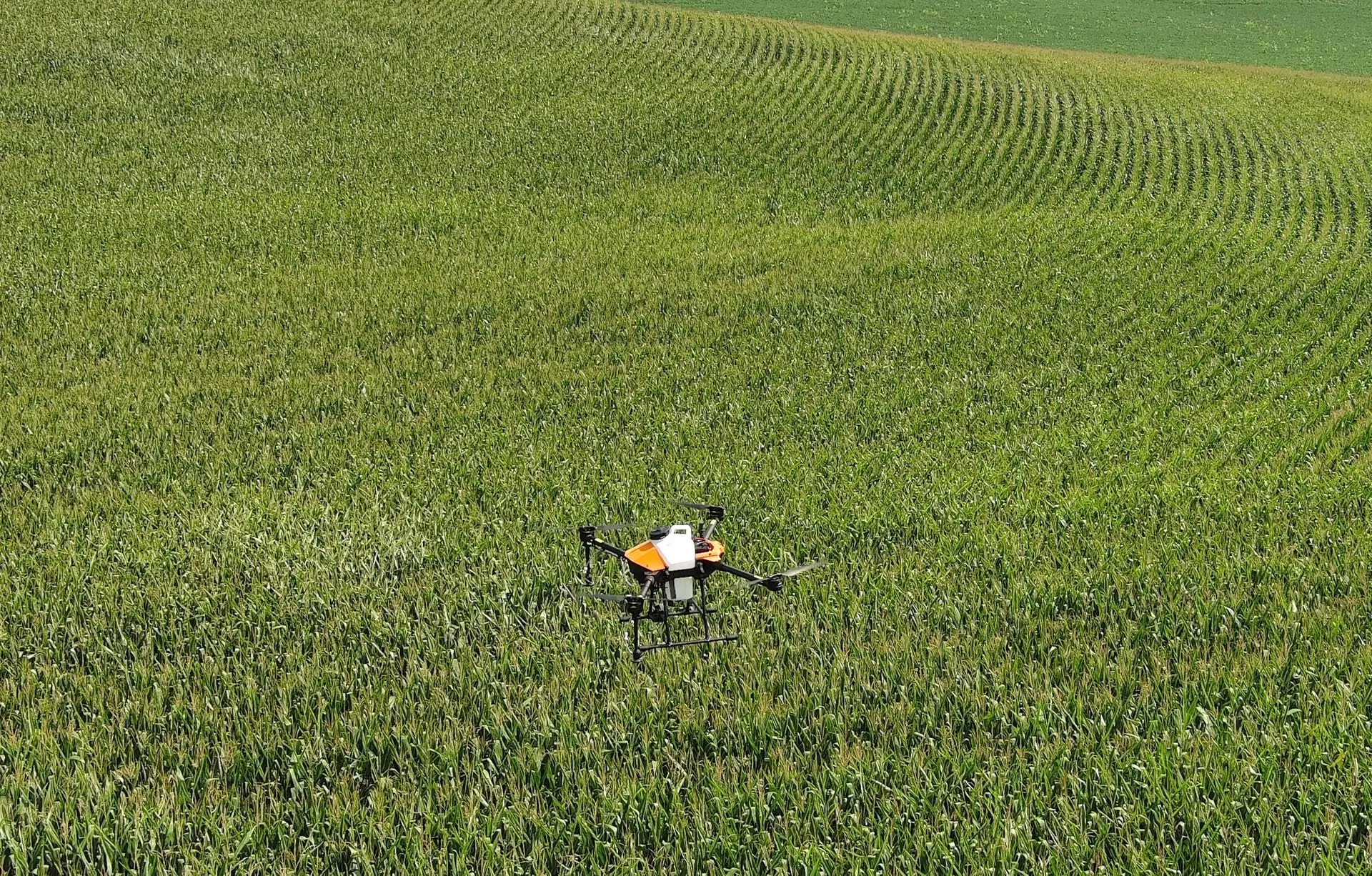
While there’s no need to panic or rush into replacements, this is a good time to plan ahead. As your current drones reach the end of their useful life, consider transitioning to NDAA-compliant, American-made solutions. HTS Ag already offers robust alternatives from Aerostar Dynamics and Inspired Flight, covering a wide range of applications:
- Agricultural spraying and seeding – High-capacity platforms like AeroStar Pro with precision spraying systems.
- Imagery and mapping – Advanced payload integration for high-resolution cameras and sensors.
- Public safety and inspection – NDAA-compliant drones with modular payload options for thermal imaging, LiDAR, and more.
Both manufacturers design and build their drones in the U.S., ensuring compliance with current and future regulations while delivering top-tier performance for commercial and government missions.
The Bottom Line
- Keep flying your current DJI and Autel drones—they remain legal and operational.
- Plan for the future—as older models age out, shift toward U.S.-made drones to stay ahead of regulatory changes.
- HTS Ag is here to help—with proven domestic solutions and expert support for every application, from precision agriculture to public safety.
Ready to explore NDAA-compliant drone solutions?
Contact HTS Ag today to learn more about Aerostar Dynamics and Inspired Flight platforms and how they can fit your operation.
References:
- FCC Public Notice DA 25‑1086 Fact Sheet
- Cybersecurity and Infrastructure Security Agency (CISA) Guidance
- NDAA Section 1709